Shaanxi Youpo Mian (Oil-Splashed Noodles)
陕西油泼面shǎn xī yóu pō miàn
- Time
- 30 min
- Difficulty
- Easy
- Calories
- 771 kcal
- Yield
- 1 serving
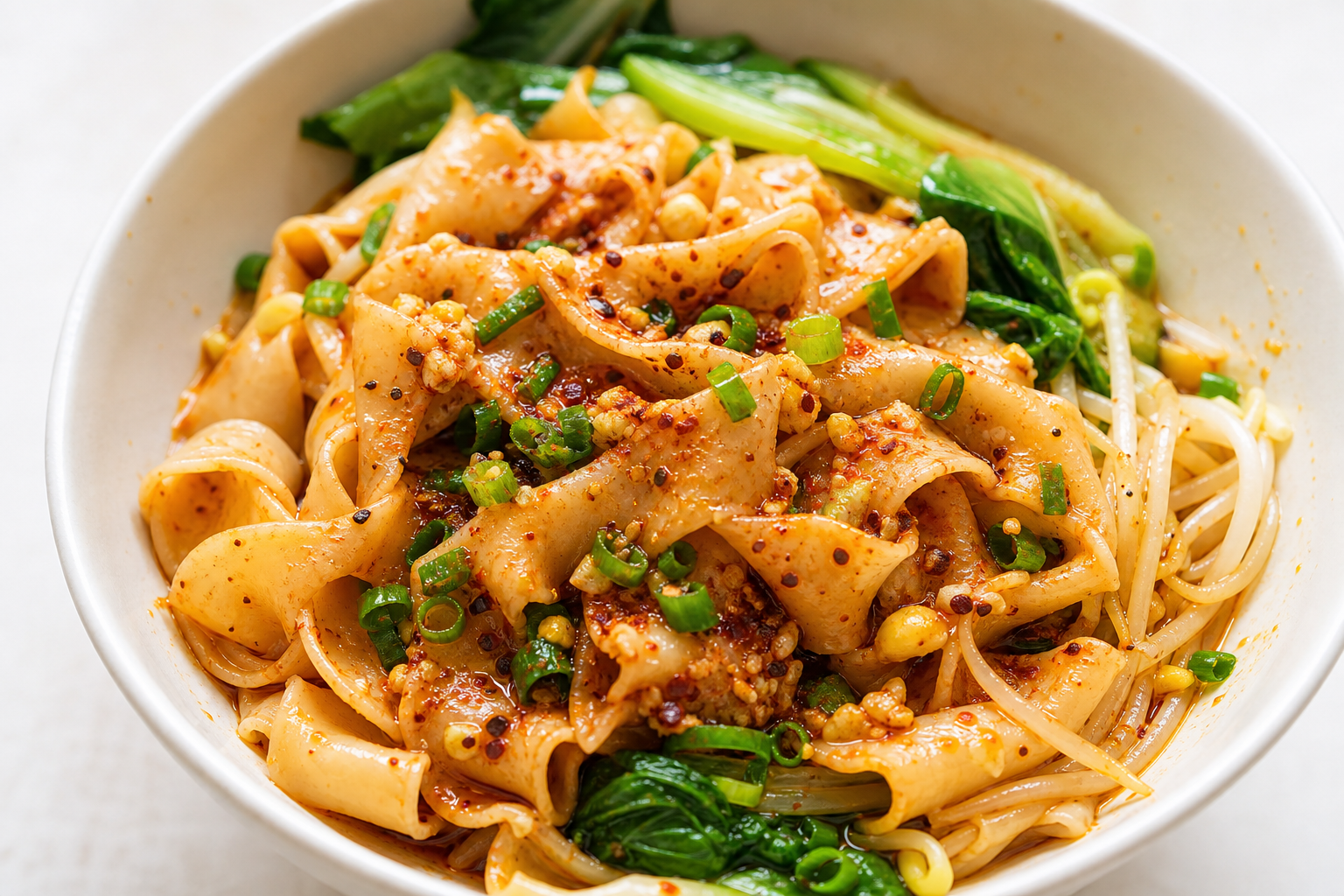
This traditional Northwest Chinese noodle dish is known for its chewy hand-pulled noodles and the spicy, fragrant flavor released by splashing hot oil over the toppings. It is a beloved everyday staple across Shaanxi. The noodles are rich in carbohydrates, and when paired with bok choy and bean sprouts, they provide a quick energy boost with a well-balanced meal.这道西北传统面食以筋道的扯面和热油泼出的香辣风味著称,是陕西家喻户晓的日常主食。面条富含碳水化合物,搭配青菜和豆芽,能快速补充能量,膳食搭配合理。
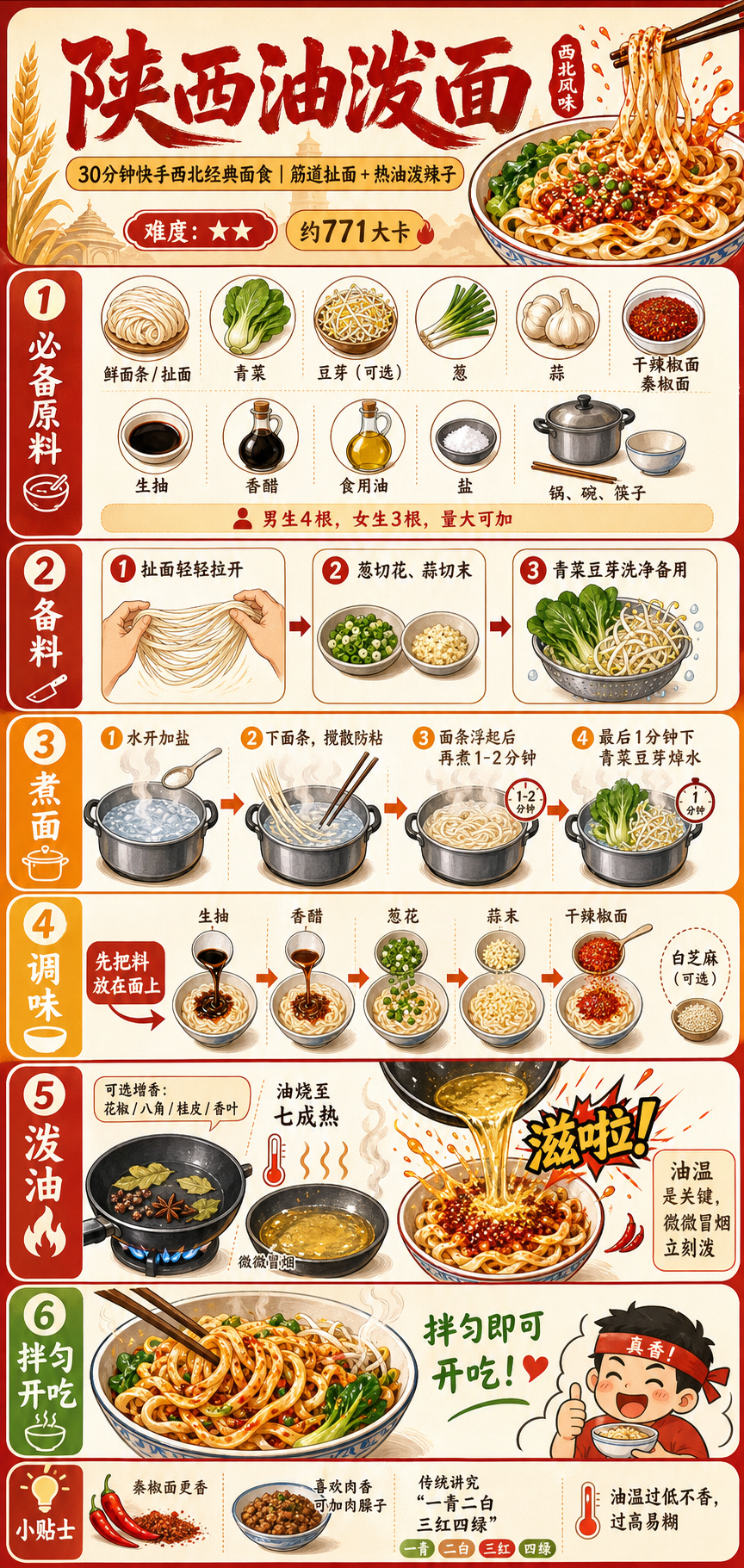
At a glance
Every ingredient and step on one sheet — worth pinning before you start.
Method10 steps
- 1
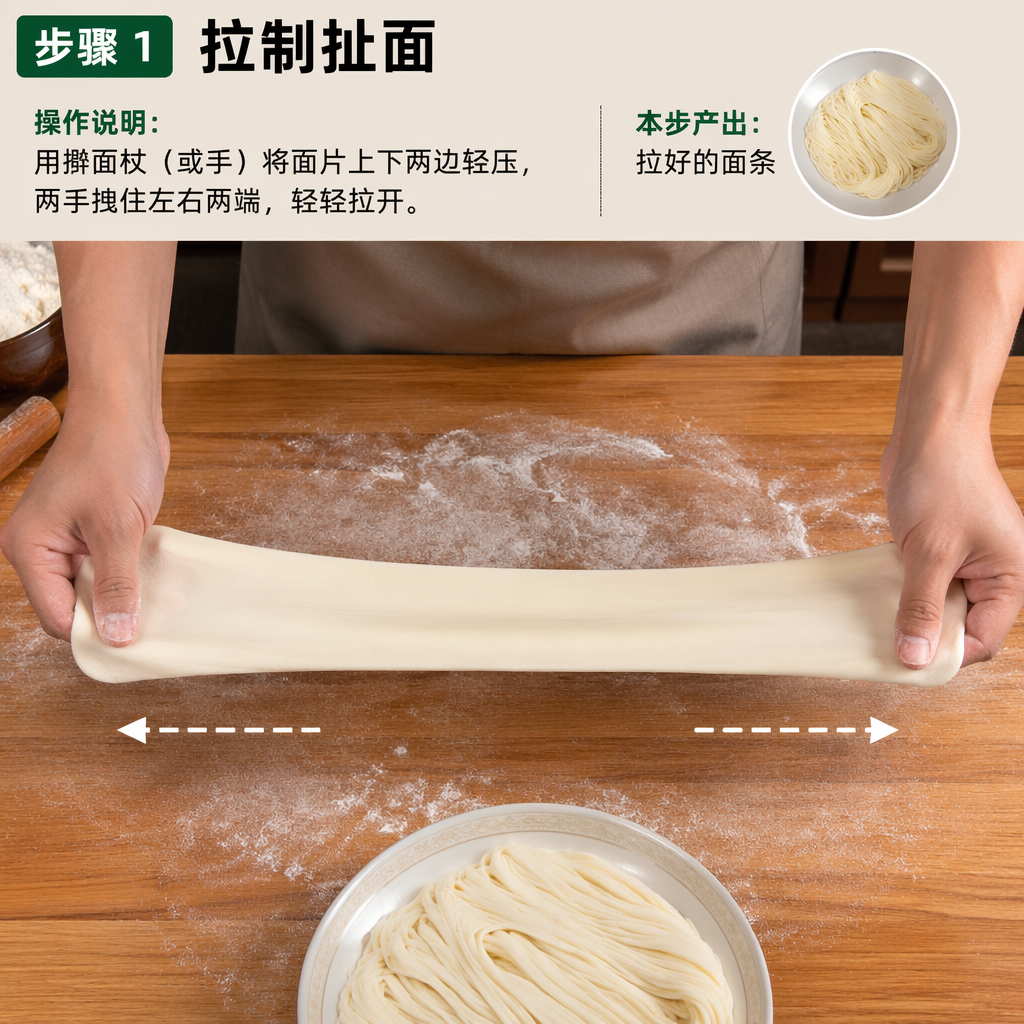
Pull the Noodles
拉制扯面
Use a rolling pin (or your hands) to gently press the top and bottom edges of the noodle sheet. Hold both left and right ends with your hands and gently pull them apart.
用擀面杖(或手)将面片上下两边轻压,两手拽住左右两端,轻轻拉开。
5 min
- Apply even pressure to prevent the noodles from breaking.力度要均匀,防止拉断
- 2
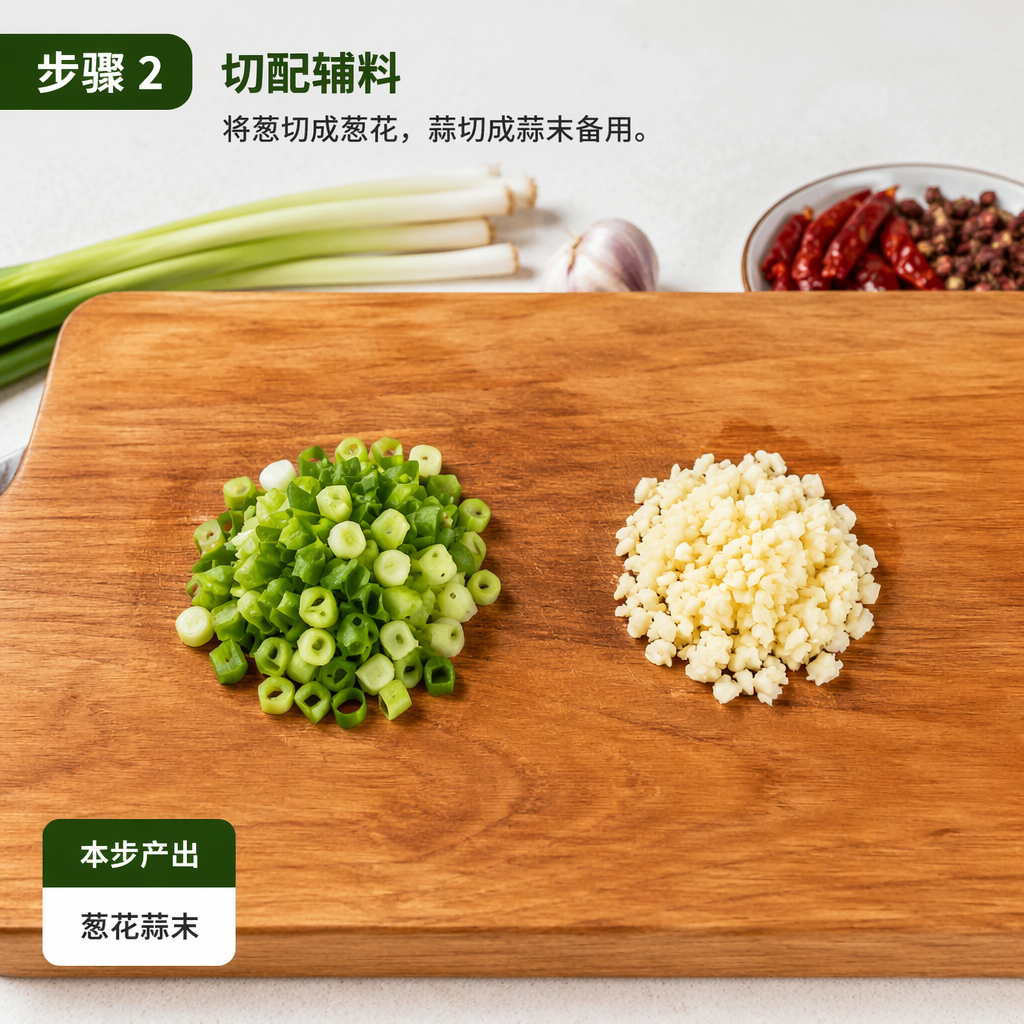
Prep the Aromatics
切配辅料
Chop the scallion into small pieces and mince the garlic. Set aside.
将葱切成葱花,蒜切成蒜末备用。
2 min
- Mince the garlic as finely as possible to better release its aroma.蒜末尽量切细,更易激发香味
- 3
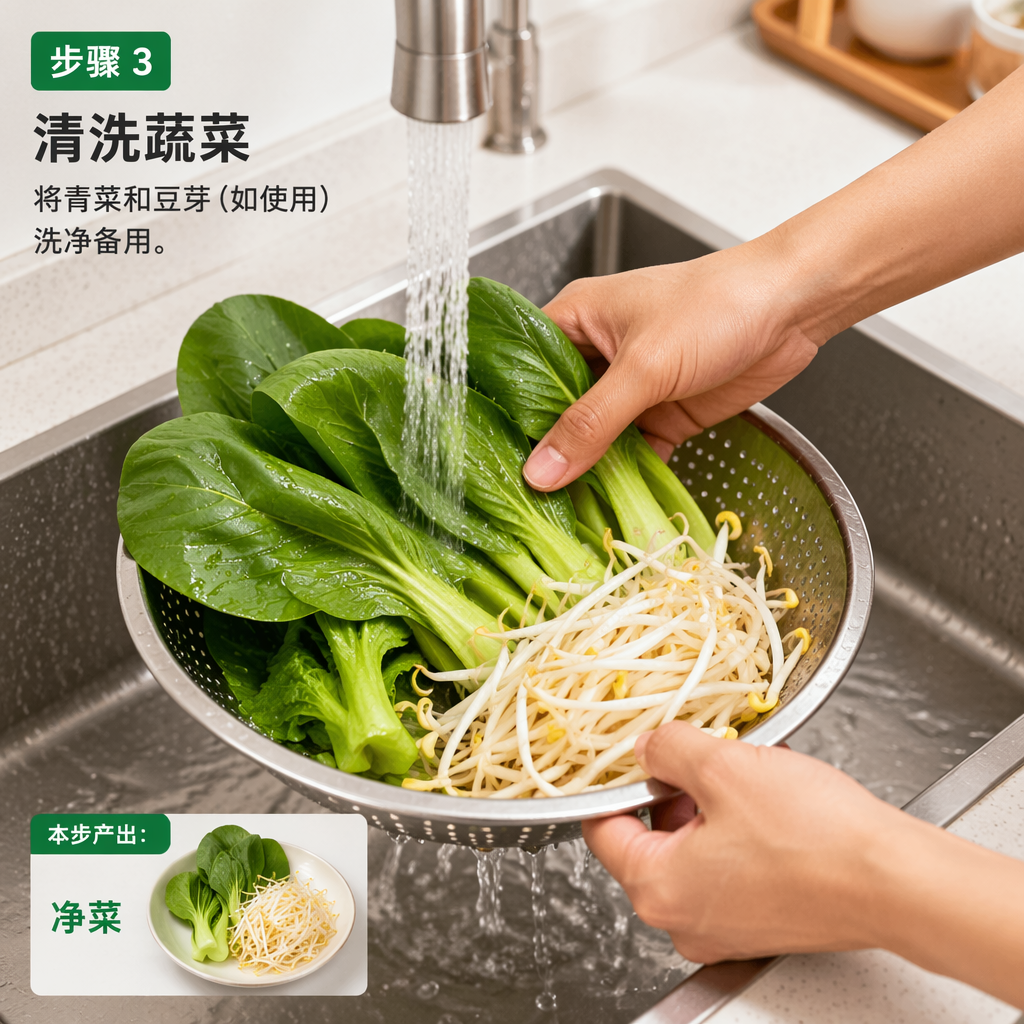
Wash the Vegetables
清洗蔬菜
Wash the bok choy and bean sprouts (if using) and set aside.
将青菜和豆芽(如使用)洗净备用。
2 min
- Drain the bean sprouts thoroughly.豆芽需沥干水分
- 4
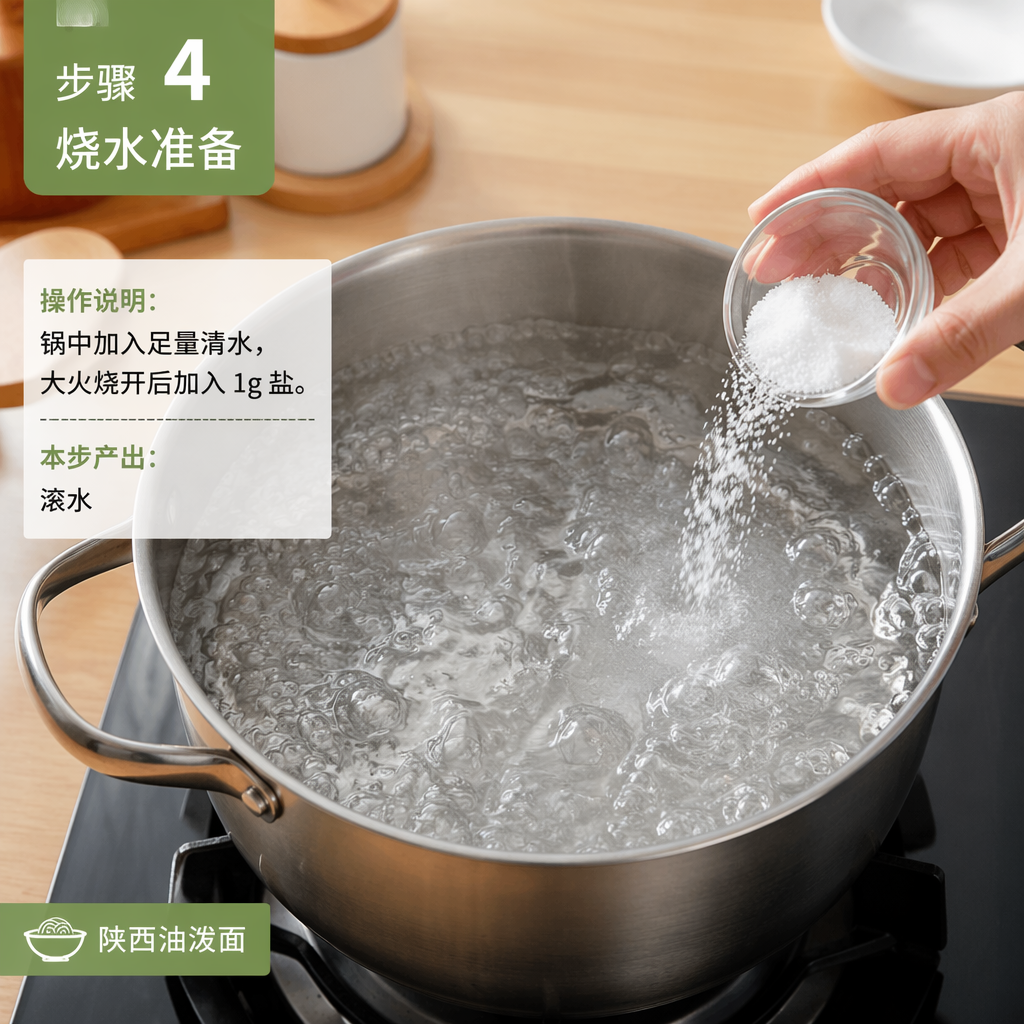
Bring Water to a Boil
烧水准备
Add plenty of water to a pot, bring to a boil over high heat, then add 1g salt.
锅中加入足量清水,大火烧开后加入 1g 盐。
5 min
- Adding salt to the water increases the chewiness of the noodles.水中加盐可增加面条韧性
- 5
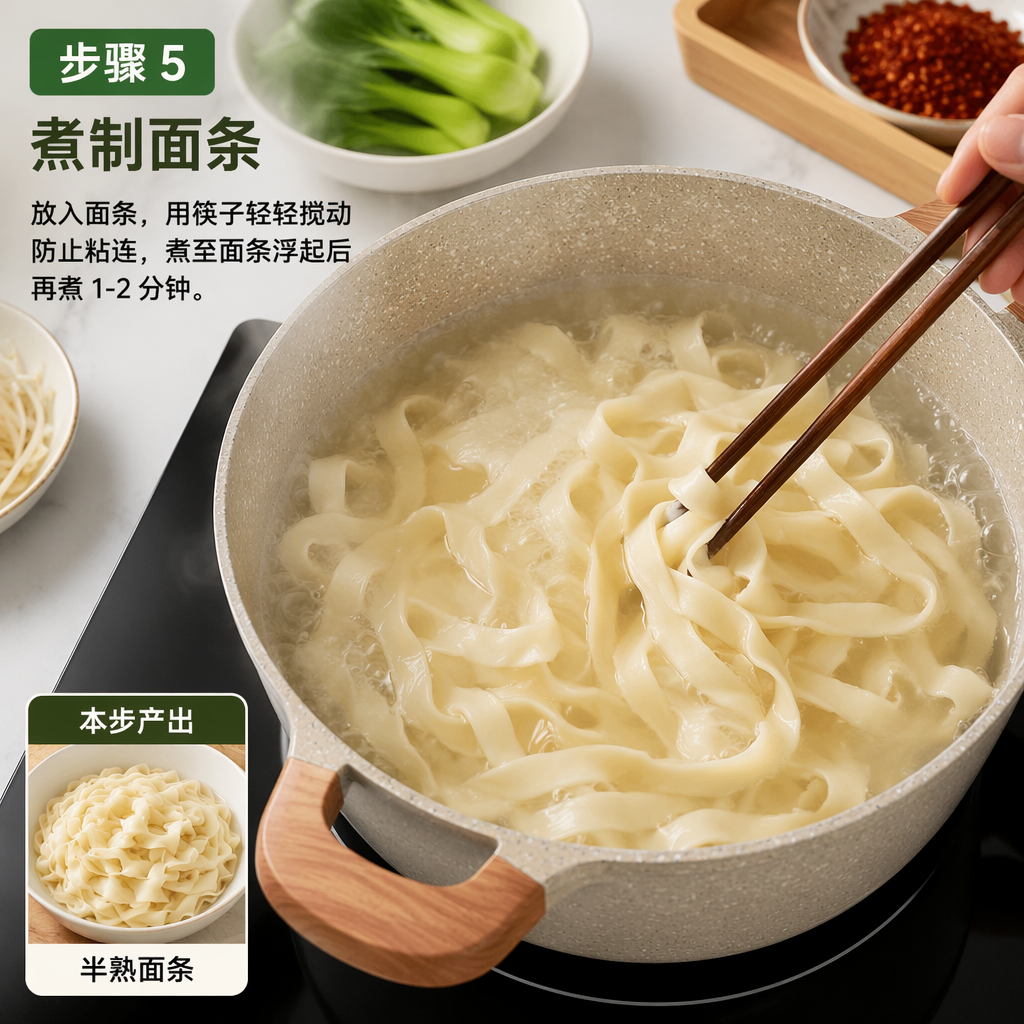
Cook the Noodles
煮制面条
Add the noodles and gently stir with chopsticks to prevent sticking. Once the noodles float to the surface, cook for another 1-2 minutes.
放入面条,用筷子轻轻搅动防止粘连,煮至面条浮起后再煮 1-2 分钟。
3 min
- Do not overcook; keep the chewy texture.不要煮得过烂,保持筋道感
- 6
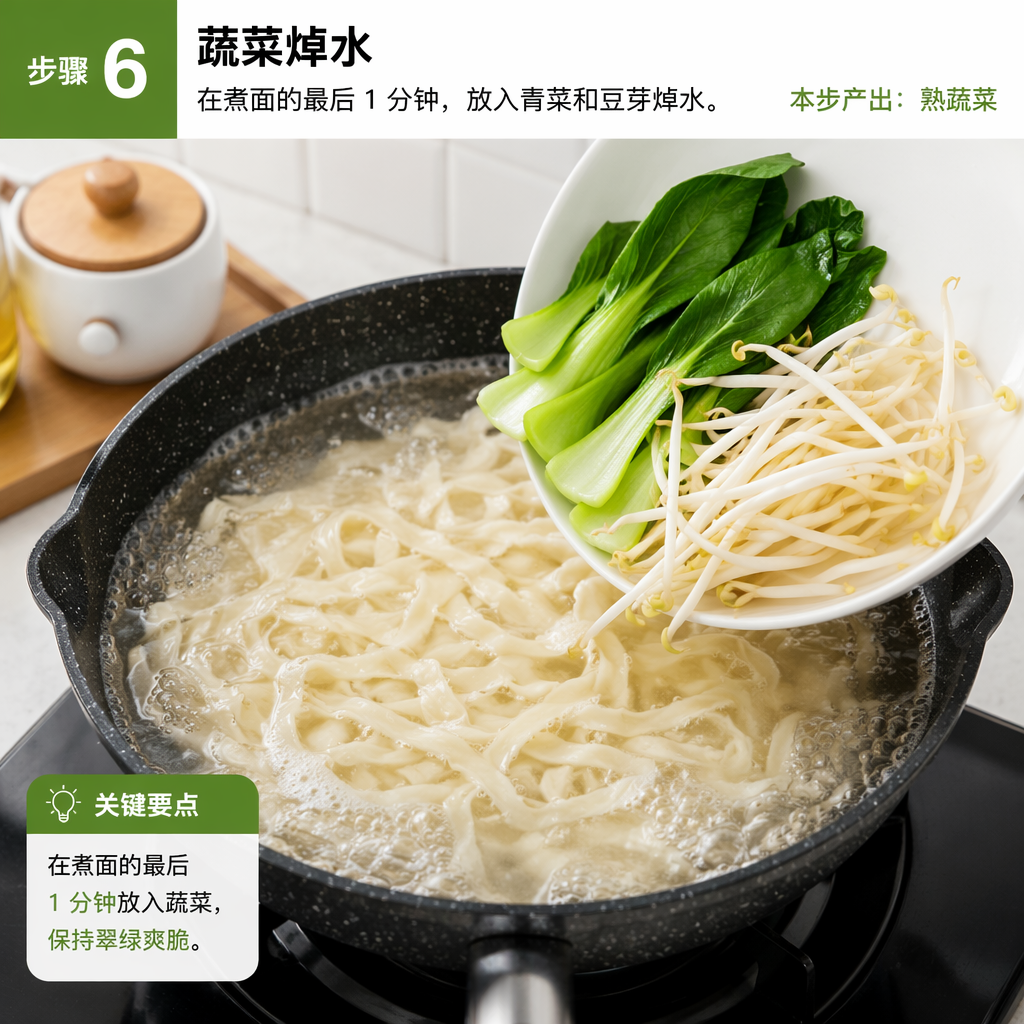
Blanch the Vegetables
蔬菜焯水
During the last 1 minute of cooking the noodles, add the bok choy and bean sprouts to blanch.
在煮面的最后 1 分钟,放入青菜和豆芽焯水。
1 min
- Remove the vegetables as soon as they are just cooked through.蔬菜断生即可捞出
- 7
Drain and Season
捞出调味
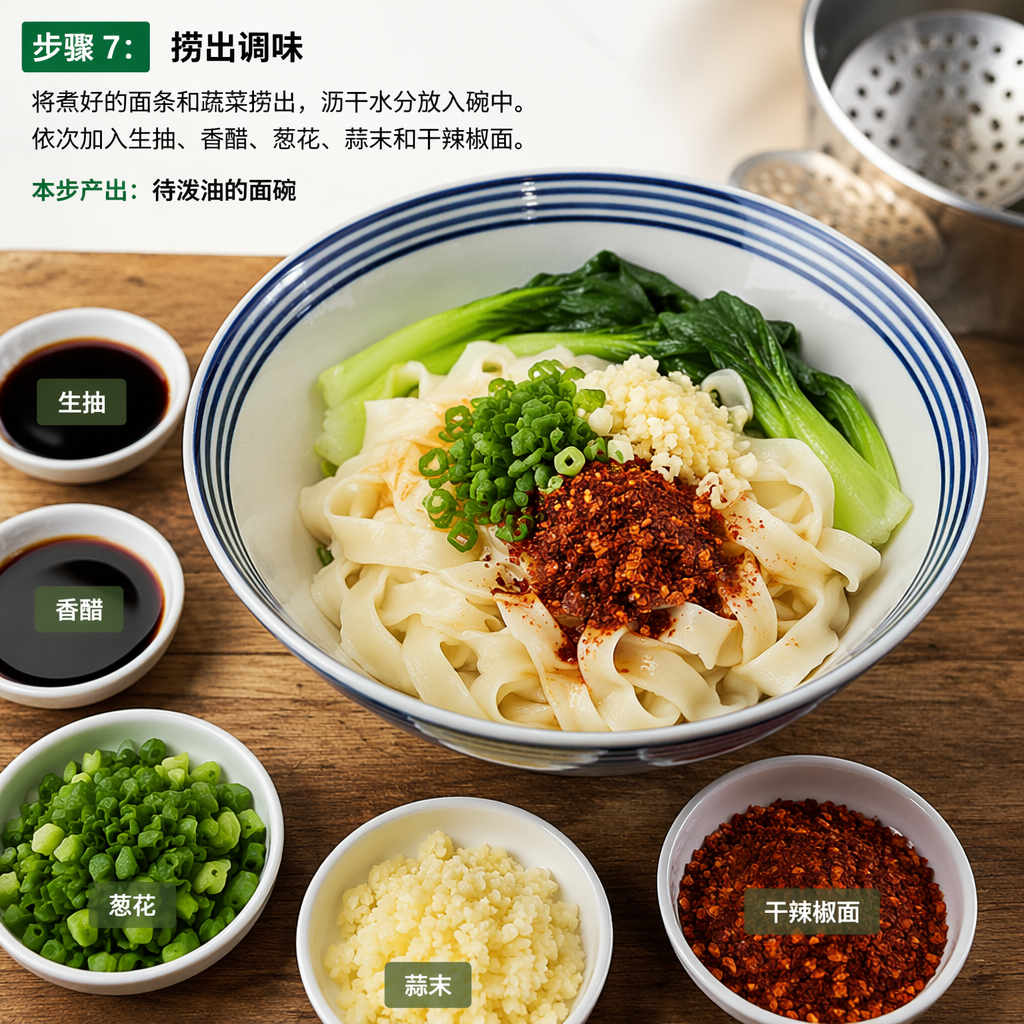
Remove the cooked noodles and vegetables, drain well, and place in a bowl. Add light soy sauce, aged black vinegar, chopped scallion, minced garlic, and ground dried chili in order.
将煮好的面条和蔬菜捞出,沥干水分放入碗中。依次加入生抽、香醋、葱花、蒜末和干辣椒面。
1 min
- Make sure to drain all excess water, or it will affect the texture.水分一定要沥干,否则影响口感
- Add sesame seeds at this point if desired.喜欢芝麻可以此时加入
- 8
Fry the Aromatic Oil
炸香底油
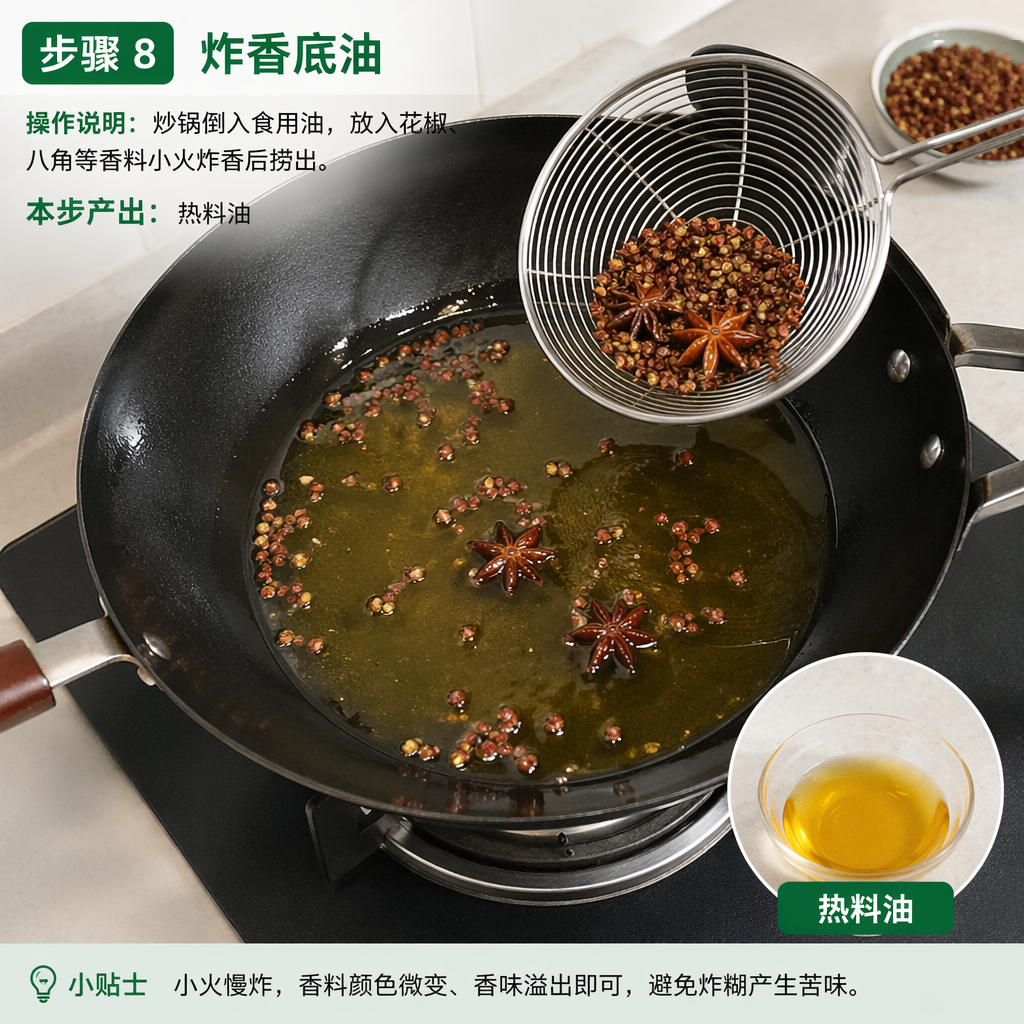
Pour cooking oil into a wok. Add Sichuan peppercorns, star anise, and other spices, then fry over low heat until fragrant. Remove the spices.
炒锅倒入食用油,放入花椒、八角等香料小火炸香后捞出。
2 min
- Fry slowly over low heat to prevent the spices from burning.小火慢炸,防止香料糊掉
- 9
Splash the Hot Oil
热油泼面
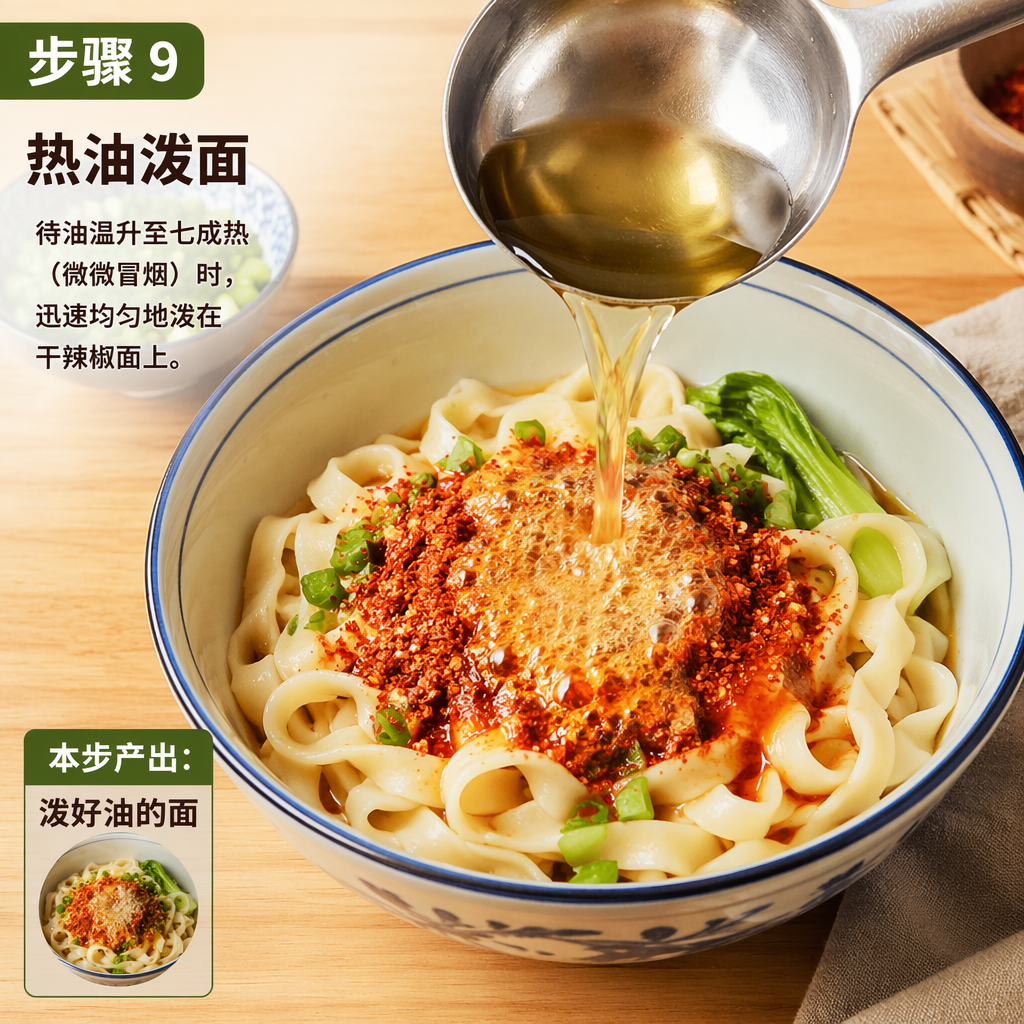
When the oil reaches about 70% heat (just starting to smoke), quickly and evenly splash it over the ground dried chili.
待油温升至七成热(微微冒烟)时,迅速均匀地泼在干辣椒面上。
30 sec
- Hearing a sizzle is a sign of success.听到“滋啦”声是成功的标志
- Be careful of oil splatter.注意避开油溅
- 10
Toss and Serve
搅拌食用
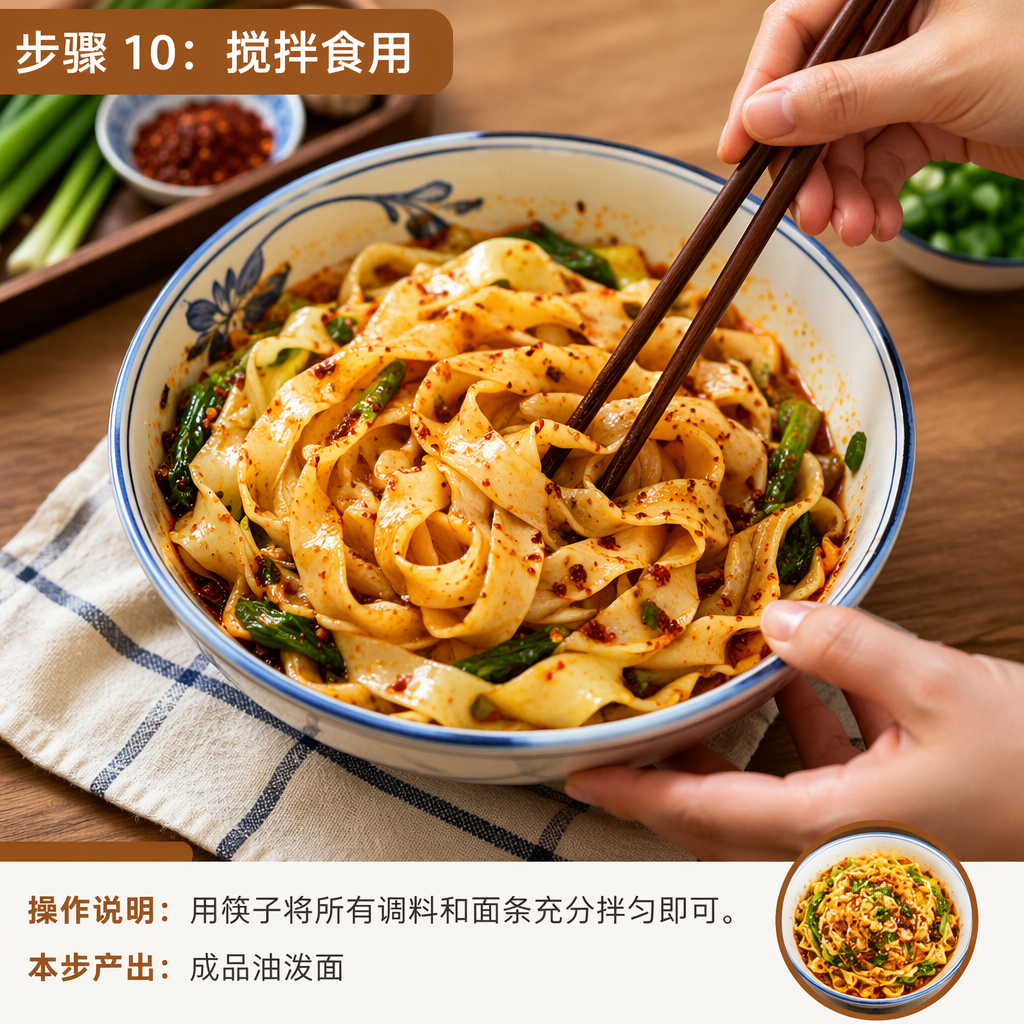
Use chopsticks to thoroughly toss all the seasonings with the noodles, then serve.
用筷子将所有调料和面条充分拌匀即可。
30 sec
- Toss while hot for the best flavor.趁热搅拌味道最佳
Extra tips
- Choosing the right chili powder is key. Shaanxi Qin chili powder is recommended for its fragrant, non-spicy flavor.辣椒面的选择很关键,建议使用陕西秦椒面,香而不辣。
- Oil temperature is critical for success. Too low and the chili won't be fragrant; too high and it will burn.泼油的油温是成败关键,油温过低辣椒不香,油温过高容易糊。
- For a meat-lover's version, add ground pork to make rou sao zi youpo mian (oil-splashed noodles with minced meat).喜欢吃肉的可以加入肉末做成肉臊子油泼面。
- Traditional Shaanxi youpo mian follows the color rule: 'one green, two white, three red, four green' — referring to the noodles, minced garlic, chili, and chopped scallion.传统陕西油泼面讲究“一青二白三红四绿”,即面条、蒜末、辣椒、葱花的颜色搭配。
More like this
 🍚 Staples★★
Stir-Fried Instant Noodles
炒方便面chǎo fāng biàn miàn
 🍚 Staples★★
Saucepan Steamed Rice
煮锅蒸米饭zhǔ guō zhēng mǐ fàn
 🍚 Staples★★
Scallion Oil Noodles
葱油拌面cōng yóu bàn miàn
 🍚 Staples★★
Rice Cooker Salmon Claypot Rice
电饭煲三文鱼炊饭diàn fàn bāo sān wén yú chuī fàn